



Talk to a healthcare provider to see what types of treatment options are available. Many people with rhinophyma feel misunderstood or judged based on how they look. Some even avoid getting medical help because they worry others will assume they have a drinking problem.
Newer topical treatments include brimonidine gel, which can temporarily reduce redness by constricting blood vessels, and oxymetazoline cream, which has similar effects. These medications provide symptomatic relief but must be used regularly to maintain benefits. For early-stage rhinophyma or to prevent progression, topical medications can be highly effective. Metronidazole gel or cream is commonly prescribed as a first-line treatment for rosacea and can help reduce inflammation and redness when used consistently.
Does moderate drinking cause an alcoholic nose?
Though rosacea is more common in women, end-stage rosacea with rhinophyma is more common in men. It is thought that the higher level of male hormones, such as testosterone, may contribute to the overgrowth of tissue. It is unclear whether the rosaceous growth itself is carcinogenic or whether a predisposition for cancer may increase the likelihood of rosacea. Successful treatment of rhinophyma often leads to significant improvements in self-confidence, social functioning, and overall quality of life.
Alcoholic Nose: Symptoms, Causes, and Treatment
It is often linked to severe rosacea and can be exacerbated by alcohol consumption but is not directly caused by it. Diagnosing alcoholism, also known as alcohol use disorder (AUD), is crucial for initiating timely and effective treatment. Alcoholism is characterized by an impaired ability to stop or control alcohol use despite adverse social, occupational, or health consequences. The process of diagnosing alcoholism involves several steps, including medical assessments, behavioral evaluations, and consideration of psychological factors.
Addiction Recovery & Detox FAQs
Whether you or a loved one is struggling with addiction, our expert team is here to guide you every step of the way. However, it is believed that rhinophyma is one of the worst forms of rosacea, and is the result of not treating a milder form of rosacea early on. We are fully licensed by the State of California and our treatment center is accredited by The Joint Commission – the standard of excellence in quality programs. Yes, surgical procedures like dermabrasion or laser resurfacing can address severe cases of rhinophyma. The characteristic appearance of rhinophyma often makes it easy to diagnose with a visual examination.

The nose becomes noticeably enlarged and bulbous, often taking on a rounded or bulging appearance that can be quite dramatic in severe cases. The skin develops a characteristic red or purplish coloration that may be persistent or come and go in waves. However, recent research has suggested that while alcohol worsens the symptoms of rhinophyma, it is not the primary cause. Some people who do not have rosacea may also develop alcoholic nose rhinophyma, and the exact cause is unknown. Springbrook Psychiatric Hospital is a 66 bed inpatient mental health facility located in Hernando County.
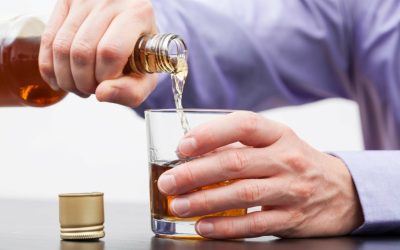
Along with a red nose and nose growth, individuals suffering from rhinophyma may also get pus-filled bumps around their nasal area, which can further worsen their nose’s swollen appearance. Rhinophyma is a skin disorder mainly caused by enlarged blood vessels bursting under the skin’s surface. Symptoms of rhinophyma include inflammation, red bumps forming on the nose, and an overall more bulbous nose. Although there’s no strong evidence linking drinking to the actual development of rhinophyma, alcohol is still a common trigger for rosacea.
However, topical treatments such as antibiotics can help manage infections that may worsen rhinophyma, and anti-inflammatory medications can reduce ongoing inflammation. While “alcoholic nose” itself does not require treatment, rhinophyma Sober living home does. The primary treatment for rhinophyma is surgical intervention, although some medications may offer minor relief. This redness and swelling are caused by broken blood vessels and sores usually found on or around the nose.
Rosacea is a separate disease and disorder from alcoholism and has no connecting cause. Someone with alcoholism does not necessarily need to have rosacea to be an alcoholic. Most Canadian provincial health plans cover evaluation and medical treatments, with surgical coverage more likely when functional problems exist. Support groups provide valuable connections with others who understand the unique challenges of living with visible facial conditions.
- That’s a chronic skin condition that causes skin discoloration, flushing and visible blood vessels.
- There are several types of treatment for alcohol use disorder, and what works for one person may not work for another.
- While “alcoholic nose” is not a medical condition requiring treatment, rhinophyma can be treated.
- “Alcoholic nose” refers to the medical condition known as rhinophyma, which is sometimes incorrectly attributed to alcohol use.
- As the condition progresses, swollen blood vessels appear, then acne-like pimples.
How Is Alcoholic Nose Treated?
Rhinophyma has not been shown to be connected to alcohol use, and calling rhinophyma an “alcoholic nose” is not medically correct. So while terms like “alcoholic nose” and “whiskey https://ecosoberhouse.com/ nose” may have a catchy ring to them, they are not accurate indicators of what causes severe rosacea or rhinophyma nose. With that being said, alcohol abuse can lead to several other health conditions, which may be worse than rhinophyma. Short-term effects of alcohol use can appear within minutes of drinking.7 You might experience slurred speech, impaired judgment, reduced coordination, nausea, headaches, and mood swings.
Alcohol Nose: Causes, Symptoms & Treatment for Rhinophyma
Dermatological treatments such as laser therapy or topical medications can reduce redness and inflammation. Lifestyle changes, including reducing the use of alcohol, avoiding triggers, and maintaining a healthy diet, are essential for long-term improvement. Consulting with a medical professional is crucial for personalized care and effective results. A common misconception is that alcoholic nose is solely caused by excessive alcohol consumption. While many individuals with rhinophyma may drink alcohol, the condition is also present in those who do not, challenging the stigma that links alcohol consumption to the disorder.